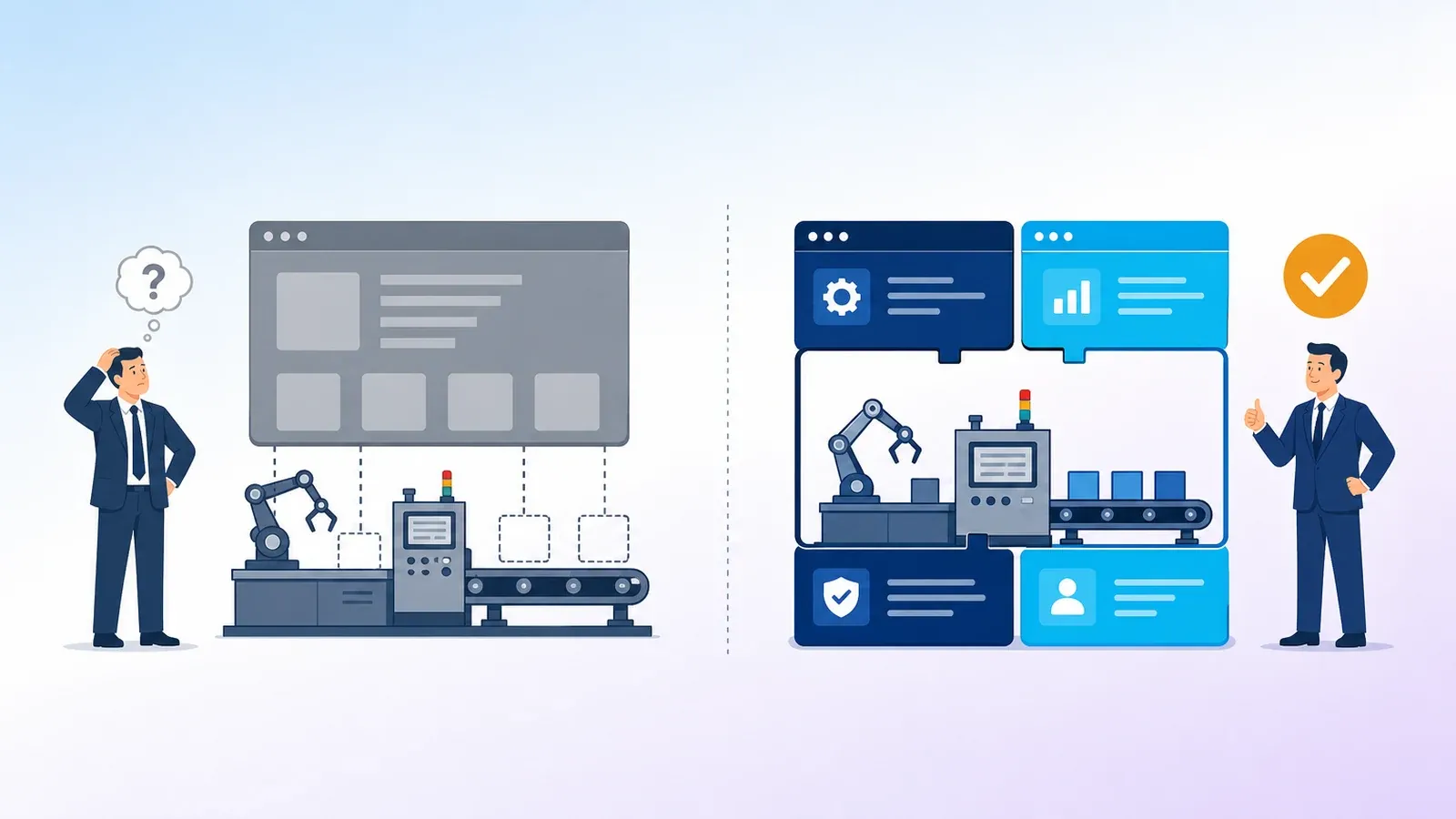
 Buyer Guides
Custom ERP or ready-made ERP: what should an Indian manufacturer choose?
Ready ERP or custom ERP? The right answer depends on how different your process is, how fast you need to go live and who will look after the system.

Buyer Guides
Hiring your own developers gives you control. Dedicated developers give you speed and flexibility. Here is how to choose, and why many teams use both.
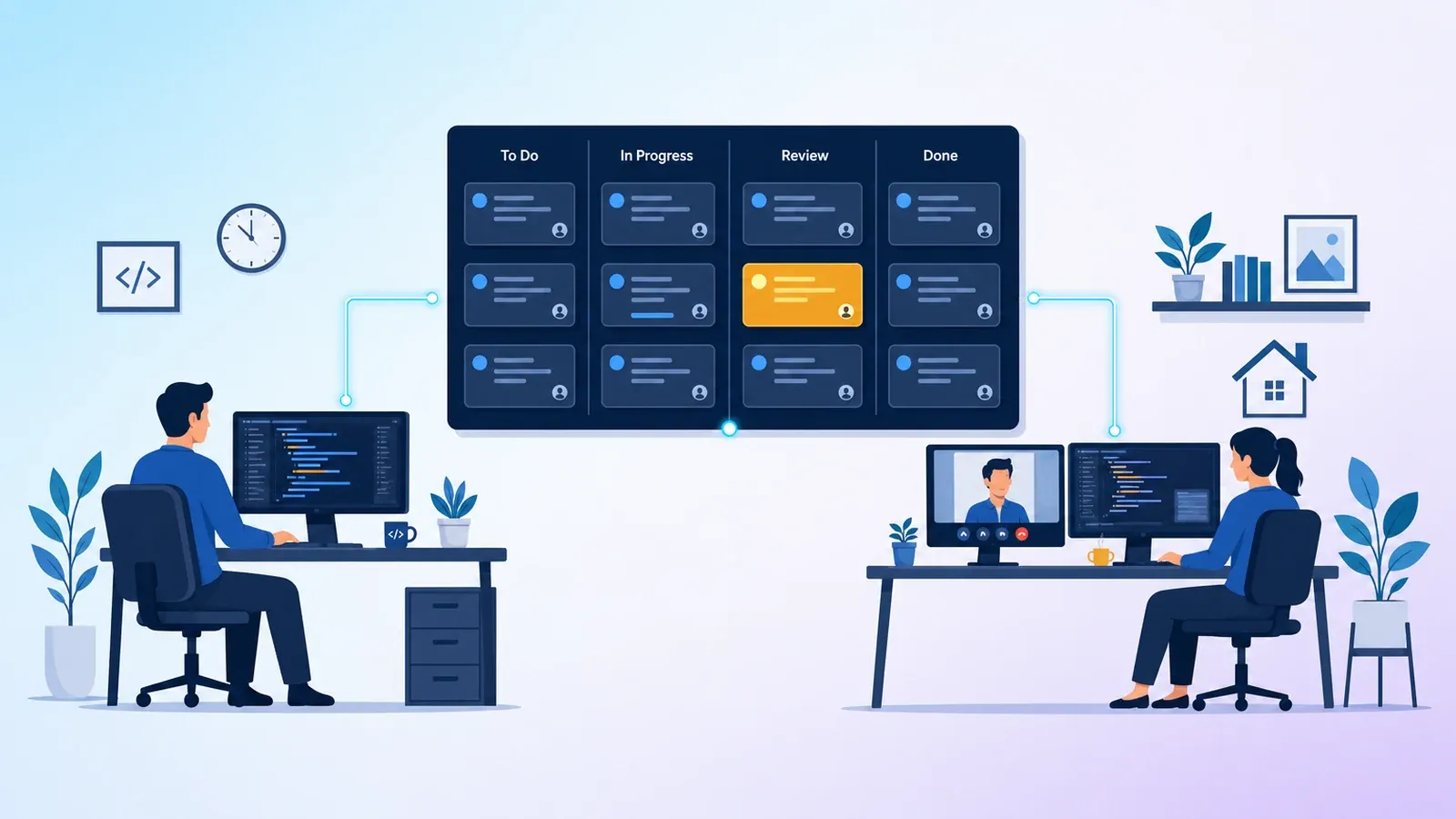
Your product roadmap is full, your current team is stretched, and the next release is already late. You need more developers. The question is whether to hire them yourself or bring in dedicated developers from a partner company.
Both options work. The right choice depends on how long you need the people, how quickly you need them and how much of the hiring load you want to carry.
A dedicated developer is employed by a partner company but works only on your project, usually full time and billed monthly. They attend your standups, use your tools and take direction from your team. The partner handles salary, HR (Human Resources), equipment, leave and support.
This is different from outsourcing a project, where the partner decides how work is done and delivers an outcome. With dedicated developers, you stay in charge of the work.
Strengths
Challenges
Strengths
Challenges
| Question | In-house team | Dedicated developers |
|---|---|---|
| Time to start | Longer, due to hiring and notice periods | Shorter |
| Who handles HR and payroll | You | Partner |
| Day to day direction | You | You |
| Changing team size | Slow | Easier |
| Cost pattern | Salary plus hidden overheads | One monthly bill per developer |
| Best for | Core long term roles, leadership | Extra capacity, specific skills, faster delivery |
Many growing companies keep a small in-house core, such as a tech lead and a few senior developers who own the architecture and product knowledge. Dedicated developers then add capacity around that core. You keep control and knowledge in-house while staying flexible.
Clear answers to these questions tell you a lot about the partner you are dealing with.
Code Buster provides dedicated frontend, backend, full stack, mobile app and QA developers who work only on your project, billed monthly. Contact us to discuss your team's needs.
Buyer GuidesReady ERP or custom ERP? The right answer depends on how different your process is, how fast you need to go live and who will look after the system.
 Buyer Guides
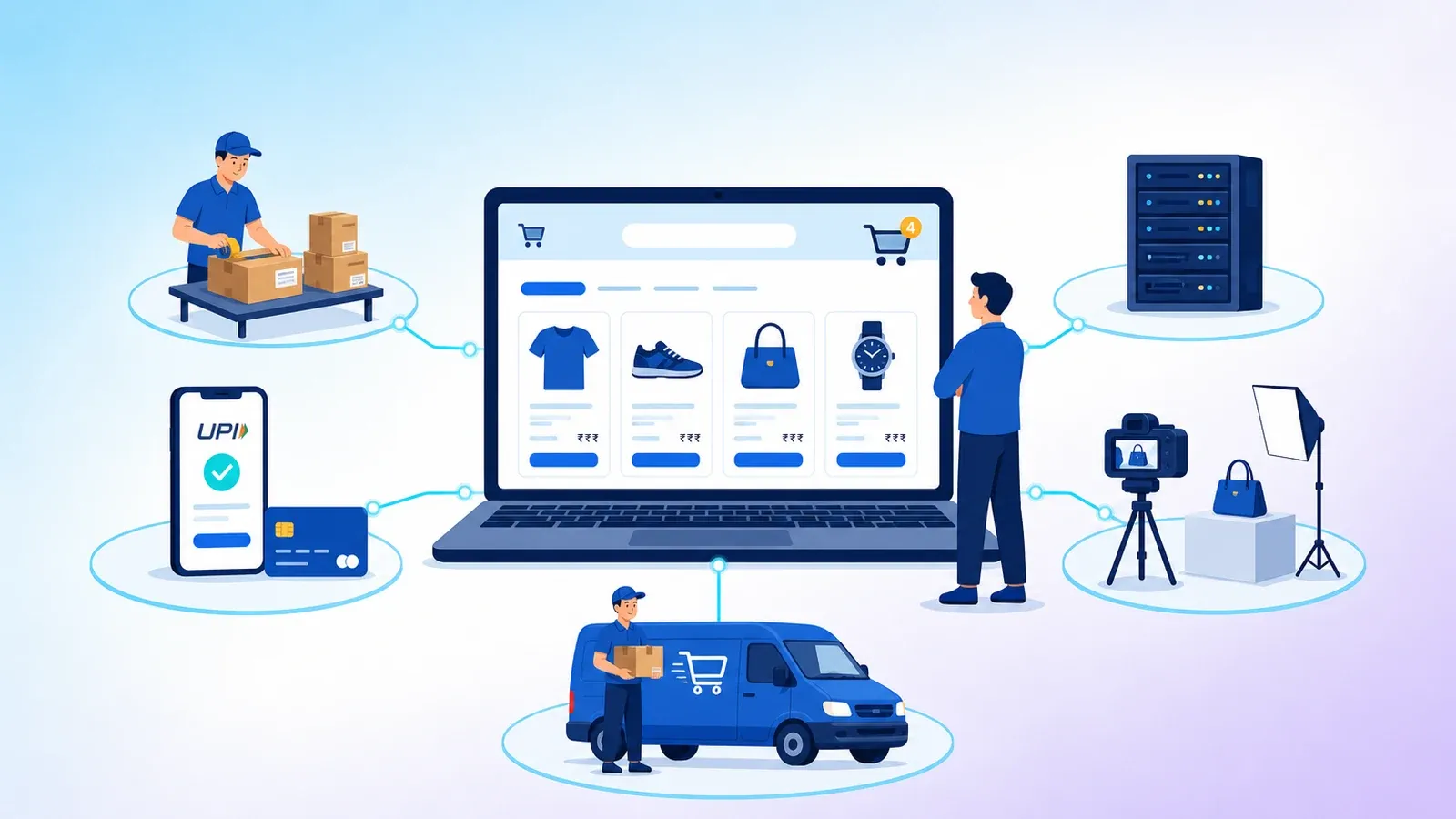
The website quote is only one part of what an online store costs. Here is the full picture, so your budget does not surprise you three months after launch.
Tell us what you are trying to fix. We will read it properly and come back with a clear next step.